Loading...
Serving Charleston, WV and surrounding areas. (304) 414-0098
Charleston Concrete Company serves South Charleston, WV with concrete driveways, patios, retaining walls, steps, and foundation work. We have been working in South Charleston and the surrounding Kanawha Valley since 2017 and respond to every new request within one business day.
Charleston Concrete Company serves South Charleston, WV with concrete driveways, patios, retaining walls, steps, and foundation work. We have been working in South Charleston and the surrounding Kanawha Valley since 2017 and respond to every new request within one business day.
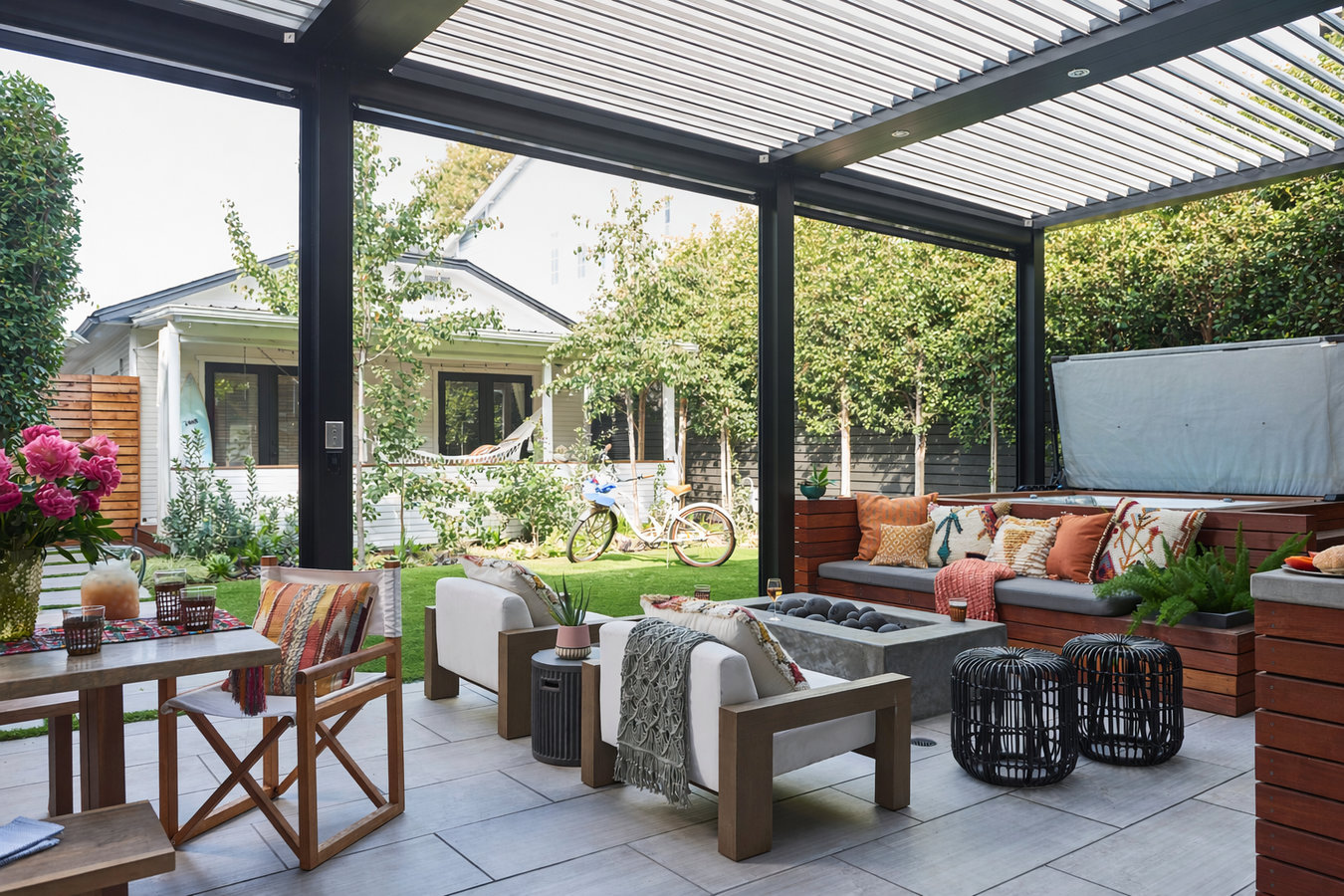
South Charleston's postwar ranch and Cape Cod homes often have back yards that sit on sloped ground near the hillside streets east of MacCorkle Avenue. A properly graded concrete patio turns that awkward space into usable outdoor living and routes water away from your foundation. See what goes into our concrete patio construction service.
South Charleston has a lot of homes built in the 1940s and 1950s, and many still have their original driveways. Concrete from that era is thinner and mixed to lower standards than what we pour today. A new driveway, properly graded and sealed, gives you 25 to 50 years before you need to think about it again.
Hillside lots in South Charleston put real stress on retaining walls, particularly in spring when the clay soils are saturated and heavy. A concrete retaining wall built with proper drainage behind it holds steady through wet seasons and keeps your yard from eroding downhill year after year.
Older South Charleston homes frequently have entry steps that have cracked and settled from years of freeze-thaw cycles. New concrete steps, correctly anchored and finished with the right surface texture for wet winters, solve the safety problem and improve the look of your front entrance at the same time.
If you want an outdoor surface that looks like brick or stone without the higher cost of individual pavers, stamped concrete is a practical choice for South Charleston's climate. We use sealers formulated for freeze-thaw conditions so color and surface texture hold up through West Virginia winters.
New slab foundations in South Charleston require careful base preparation because the Kanawha Valley's clay soils move with moisture. We excavate to the right depth, compact the subgrade, and use a proper gravel base before any concrete is poured - steps that determine how a foundation performs for the next 40 years.
South Charleston sits in the Kanawha Valley on the same clay-heavy soil that causes problems for concrete throughout this part of West Virginia. The clay expands when the ground is saturated after heavy spring rains and contracts in dry summer heat - and that movement, repeated year after year, puts constant stress on any slab poured directly on it. Homes built in the 1940s and 1950s were often set on shallow footings that did not account for this, which is one reason so many older South Charleston driveways and patios are cracked, heaved, or settled. A contractor who understands the soil profile here will dig deeper, compact the base more thoroughly, and specify the right concrete mix before starting the pour.
The winter climate here adds another layer of difficulty. South Charleston regularly sees overnight lows in the mid-20s from December through February, and those freezing temperatures are often followed by daytime thaws. That freeze-thaw cycle is one of the most damaging forces acting on concrete in this region. Proper mix design and regular sealing - every two to three years - are the main tools for managing it. The USDA Web Soil Survey documents the clay-heavy character of the Kanawha Valley soils that South Charleston sits on, and it is one of the reference points we use when planning base preparation for any project here.
Our crew works throughout South Charleston regularly, and we understand the local conditions that affect concrete work here. We are familiar with the mix of older in-town neighborhoods close to the downtown and MacCorkle Avenue and the hillside residential streets that climb east and south from the valley floor. Lots near MacCorkle tend to be flatter but packed tightly together, which makes site access something we plan for on every job. The hillside streets have sloped lots that require drainage planning before any concrete is placed.
South Charleston has its own distinct identity - the South Charleston Mound in the downtown traffic circle is one of the more unusual landmarks in any city this size, and Magic Island on the Kanawha River is a reference point nearly every resident uses. We also serve homeowners in nearby Dunbar to the west and in Charleston just to the east, so we move through this corridor of the Kanawha Valley constantly.
Call or fill out our contact form and we will respond within one business day. We ask a few straightforward questions - what you need done, the approximate size, and whether there is existing concrete to remove - so we can give you a useful starting estimate.
We visit the property, look at the lot conditions, and walk through the project with you. This is where we discuss slope, drainage, and any permitting your specific address may require in South Charleston or Kanawha County. No cost, no pressure.
You get a written estimate with a clear scope before any commitment. Once you approve it, we handle permits and give you a realistic timeline that accounts for weather windows - we will not schedule a pour in conditions that would compromise the finished slab.
Our crew does everything from demolishing and hauling the old concrete to the final finish and cure instructions. When we leave, the site is clean and you know exactly when the new surface will be ready for use.
Tell us about your project and we will get back to you within one business day. No obligations, no pressure - just a clear answer about what the work involves and what it will cost in South Charleston.
(304) 414-0098South Charleston is a city of roughly 12,000 to 13,000 people in Kanawha County, sitting directly west of Charleston along the Kanawha River corridor. It has its own downtown, its own neighborhoods, and a long identity as a working- and middle-class community with deep roots in manufacturing and industry - the Chemical Valley history along the river is a real part of what shaped this city. The city of South Charleston is compact - most of it fits within a few square miles - but it covers a range of terrain, from the relatively flat streets near MacCorkle Avenue and the river to the hillside neighborhoods that climb east and south from the valley floor.
Most homes in South Charleston were built before 1970, with many dating to the postwar building boom of the 1940s and 1950s. Ranch homes and Cape Cod-style houses on modest lots are the most common housing type, and many are owner-occupied by longtime residents. These homes are at the age where concrete driveways, steps, and patios from the original construction are well past their useful life. We work throughout South Charleston and also serve residents in nearby St. Albans and in Nitro further west along the river when projects take us in that direction.
Get a durable, professionally poured concrete driveway built to last.
Learn MoreAdd style with decorative stamped concrete patterns and textures.
Learn MoreSafe, smooth concrete sidewalks installed for homes and businesses.
Learn MoreSolid concrete retaining walls built to control erosion and grade.
Learn MoreProfessional concrete floor installation for any interior space.
Learn MoreSlip-resistant, attractive concrete pool decks for safe outdoor living.
Learn MoreWell-crafted concrete steps providing safe, lasting curb appeal.
Learn MoreReliable slab foundations poured to support your structure for decades.
Learn MoreDurable concrete parking lots built for heavy traffic and longevity.
Learn MoreWe respond within one business day and provide free estimates before any work begins. Reach out now and let us take a look at your project.