Loading...
Serving Charleston, WV and surrounding areas. (304) 414-0098
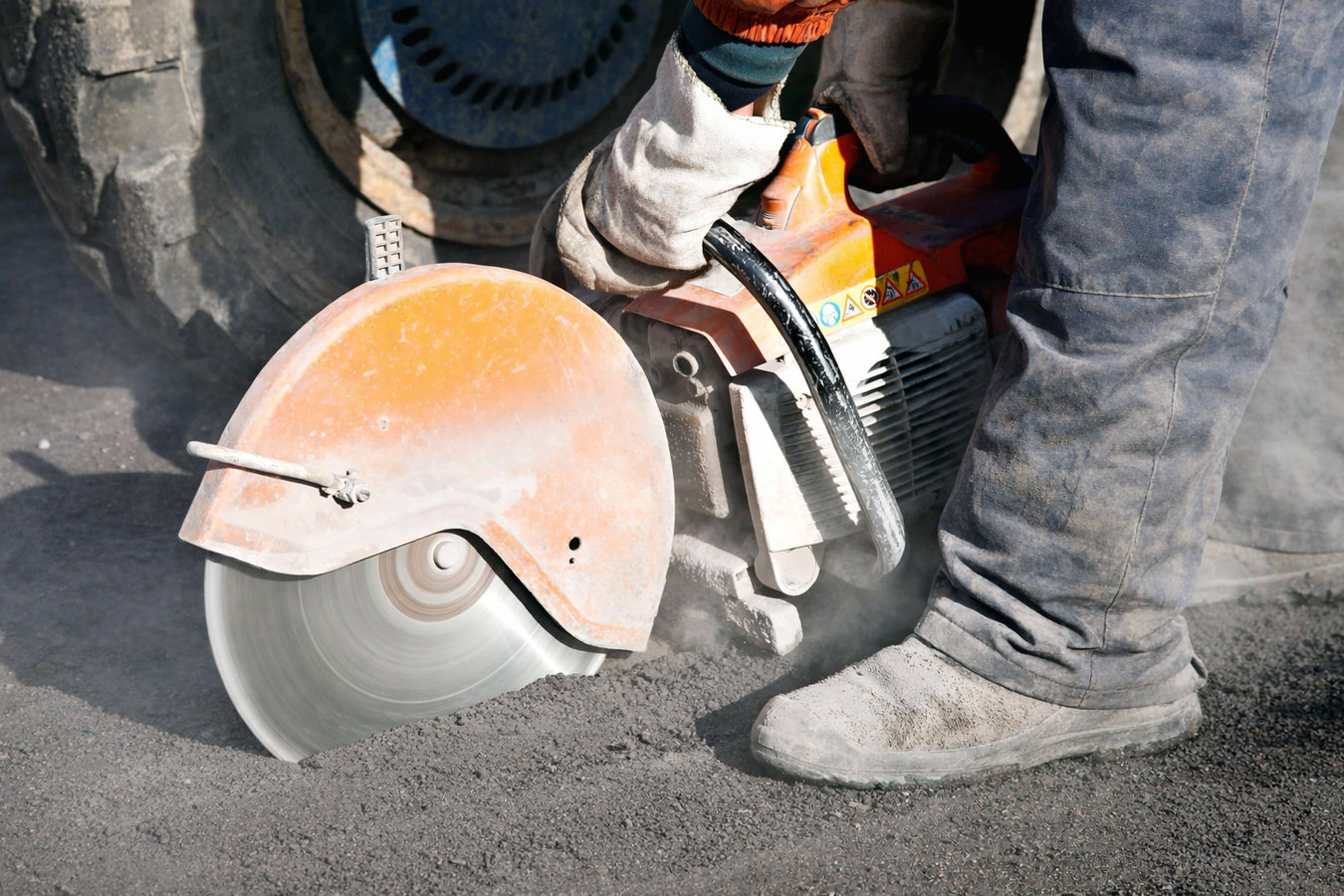
Whether you need a cracked driveway section removed or a basement opening cut for a utility line, we make precise cuts without damaging surrounding concrete - and we leave the site clean.
Concrete cutting in Charleston, WV uses diamond-tipped saw blades to slice through hardened concrete cleanly and precisely, removing damaged sections or creating openings for utility work. A straightforward cut - like removing a section of a cracked driveway or opening a basement wall for a window - typically takes a few hours to a full day, with no curing time needed on the cut edges.
This is not the same as breaking concrete with a jackhammer. Jackhammer work leaves rough, unpredictable edges and can crack the surrounding slab you want to keep. Diamond-blade cutting leaves a straight, clean edge every time. That matters whether you are removing a section of a damaged driveway in Kanawha City or cutting a trench through a basement floor for a new drain line in South Hills. Homeowners who have concrete that has settled badly sometimes need to decide between cutting for removal and pouring new, or exploring whether foundation raising could lift the existing slab back to level instead - we can help you think through which option fits your situation.
Good concrete cutting also means managing the dust and slurry the process creates. We use wet cutting to keep dust down, contain the slurry, and haul away every piece of cut concrete before we call the job done.
If you have watched a crack in your driveway, patio, or basement floor get wider over the years, Charleston's freeze-thaw cycle is almost certainly the cause. Water gets into a small crack, freezes, expands, and makes the crack bigger each winter. Once a crack reaches about a quarter-inch wide or starts to shift vertically - one side higher than the other - patching is rarely a lasting fix. Cutting out and replacing that section is the right call.
If part of your concrete has dropped lower than the surrounding surface or tilted at an angle, the ground underneath has shifted. This is common in Charleston neighborhoods built on hillsides or near the river, where soil movement is more frequent. A sunken slab is a trip hazard that will only get worse. Concrete cutting removes the affected section so the base can be corrected and new concrete poured level.
If a plumber, electrician, or HVAC contractor has told you they need to run a line through your basement floor or wall, concrete cutting is how that opening gets made. The same applies if you want to add a basement egress window for safety or to convert a basement room into legal living space. You will need a concrete cutter before any of that other work can begin.
Older homes in Charleston - particularly those built before the 1970s - sometimes have basement floors finished with a thin surface layer that is now separating from the concrete underneath. If you can scrape up flakes or chunks with your foot, or if the surface looks like it is peeling, that surface layer may need to be cut away and replaced. This is different from normal surface wear and usually gets worse quickly once it starts.
We cut concrete for residential and commercial projects throughout Charleston and Kanawha County - driveways, sidewalks, basement floors, retaining walls, and foundation walls. For outdoor flatwork like a damaged concrete driveway or a cracked parking area, we cut out the damaged sections cleanly so new concrete can be poured to match. For interior work - utility trenches, egress openings, basement drainage channels - we use wet cutting to manage dust and slurry in enclosed spaces, and we contain and clean up the mess before we leave. We also handle utility locates through West Virginia's 811 system before any cutting near the ground.
For jobs that are part of a larger project - say, cutting sections of a concrete parking lot for drainage repairs, or cutting expansion joints in a newly poured slab - we coordinate with you on timing so the cutting work does not hold up the rest of the project. Every job comes with a written estimate that specifies the scope and includes debris removal. If something unexpected comes up during cutting - rebar placement that complicates the cut, concrete that is thicker than expected - we stop and talk to you before proceeding, not hand you a revised invoice at the end.
Suited for homeowners removing cracked, sunken, or damaged sections of outdoor concrete so new material can be poured in its place.
Suited for projects requiring openings for utility lines, drain installations, or egress windows in basement floors or foundation walls.
Suited for running new plumbing, electrical conduit, or drainage lines through existing concrete floors or slabs.
Suited for newly poured concrete slabs that need control joints cut before the concrete cures and begins cracking on its own.
Charleston sits in a climate zone where temperatures regularly drop below freezing in winter and climb into the 80s in summer. That repeated freezing and thawing breaks concrete down from the inside, and driveways, sidewalks, and basement floors here tend to crack and deteriorate faster than in warmer climates. Add in the city's hilly terrain - where water runs across or under concrete surfaces rather than away from them - and you have a recipe for concrete that needs attention sooner than most homeowners expect. Neighborhoods like Kanawha City and Cross Lanes see this pattern regularly, and so do hillside homes in South Charleston where drainage across sloped lots puts constant stress on flatwork.
Charleston's older housing stock also matters here. A significant share of the city's residential neighborhoods - including the West Side, South Hills, and Kanawha City - contain homes built between the 1920s and 1960s. Concrete from that era was often poured thicker and finished differently than modern concrete. Basement walls and floors from that period can be harder to cut through, which affects both the time and cost of the job. A contractor with experience in older Charleston construction knows to account for that before giving you a price - not after the saw is already running.
We ask a few basic questions - what you are trying to accomplish, where the concrete is, and roughly how thick it might be. You do not need to have all the answers. We reply within 1 business day and help you figure out whether an in-person visit makes sense before any pricing conversation begins.
We come to your property, look at the concrete thickness and site access, check for nearby utility lines, and assess the drainage situation. You receive a written estimate that spells out exactly what work is included, what is not, and whether debris removal is part of the price.
If your project requires a permit from the City of Charleston, we handle the filing. Before any cutting begins near the ground, we contact West Virginia's 811 utility locate service to mark underground lines - required by law, and it takes two to three business days to complete.
The crew marks cut lines, sets up containment, and begins cutting. Most residential jobs take two hours to a full day. We remove all cut concrete pieces and clean up slurry and debris before we leave. If the opening will be used for a utility installation, it is left ready for the next trade.
We visit your property, look at the concrete, and give you a written price before any work begins - no surprises, no verbal-only quotes.
(304) 414-0098Concrete dust is a genuine health concern - not just a mess. We use wet cutting on every job to suppress dust at the blade, and we contain and clean up the resulting slurry before we leave. For basement and indoor work, this is not optional - it is how the job gets done safely. OSHA silica dust rules require it, and we follow them.
Homes built between the 1920s and 1960s - which make up a large share of Charleston's residential stock - often have thicker basement walls and floors than a contractor expects based on age alone. We account for that before giving you a price, not after the saw is running and the scope has changed.
In West Virginia, contacting the 811 utility locate service before cutting near the ground is required by law - and it is the right thing to do for your safety and your neighbors'. We handle that call and factor the two-to-three-day lead time into your project schedule so it does not catch anyone off guard. WV 811 - Call Before You Dig
On Charleston's hilly lots, cutting out damaged concrete and pouring new material without fixing how water drains across the property means the new concrete will fail for the same reason the old concrete did. We look at the drainage picture before we cut, so the fix we make actually solves the problem rather than just buying a few more years.
Every one of these details - dust control, utility locates, drainage review, accurate pricing for older concrete - is the kind of thing a homeowner should not have to ask about. They should just be part of how the job gets done. That is what we aim for on every project.
After damaged sections are cut away, we pour a new driveway built for Charleston's freeze-thaw cycles and drainage conditions.
Learn MoreFor commercial properties needing sections cut out for repairs or drainage work before new concrete is poured.
Learn MoreCharleston winters are hard on concrete - the sooner damaged sections are removed and replaced, the less the cracking spreads before the next freeze.