Loading...
Serving Charleston, WV and surrounding areas. (304) 414-0098
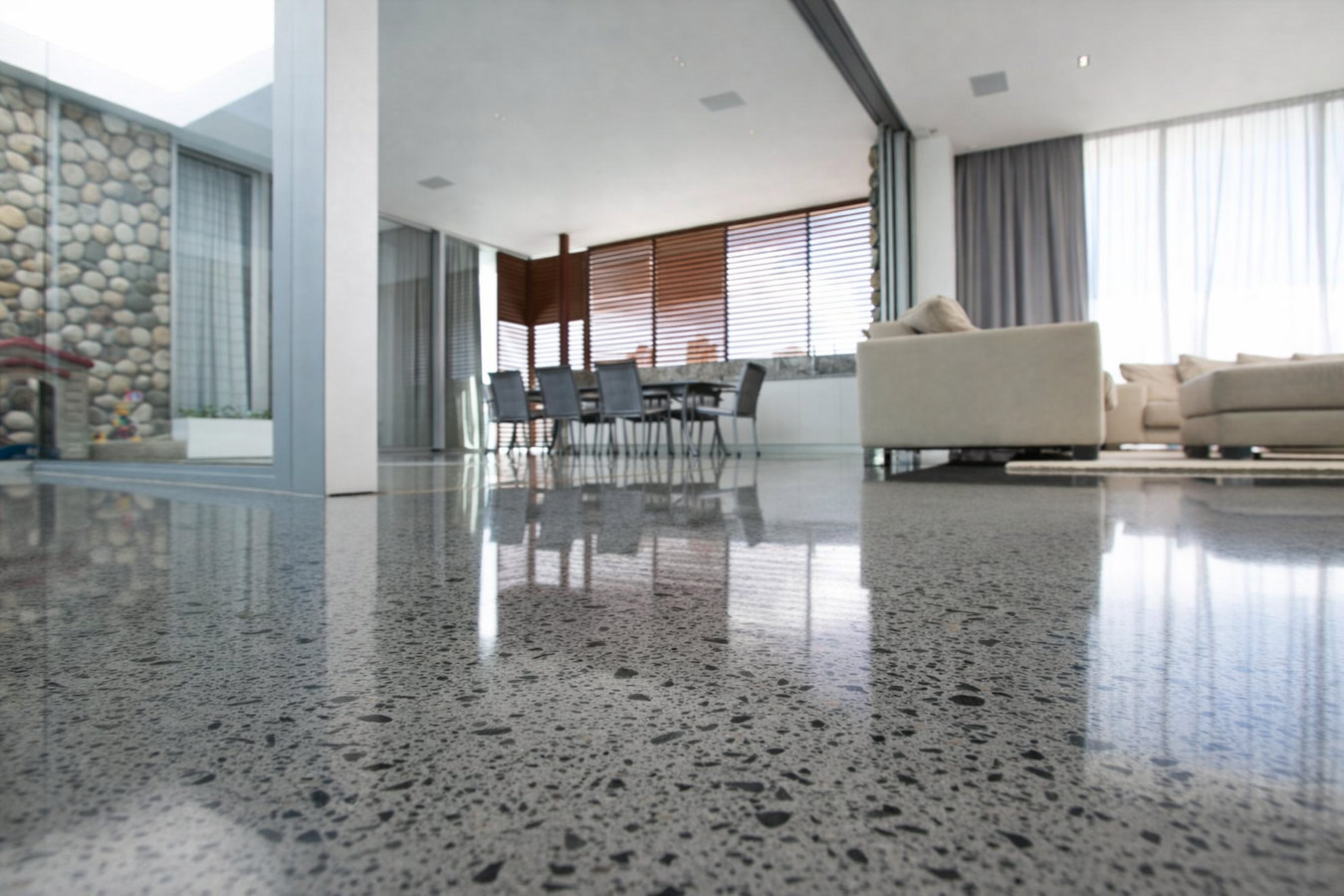
A crumbling, cracked, or uneven concrete floor is a safety risk and a storage problem. We pour new floors that handle Charleston winters, clay soils, and daily use - with moisture protection built in from the start.
Concrete floor installation in Charleston involves preparing the base, laying reinforcement and a vapor barrier, pouring the slab, and finishing the surface - most residential jobs take one to two days of active work followed by a curing period.
Many Charleston homes - especially those built before 1980 in neighborhoods like Kanawha City and the West Side - have garage and basement floors that were poured thinner and with less preparation than current standards require. If your floor is cracking, sinking, or staying damp, those are not normal signs of age - they are signals that a replacement is overdue.
If the project involves a finished garage, you may also want to consider garage floor concrete options that include surface coatings for a polished look and added durability.
Small hairline cracks are common and often harmless, but cracks that are widening over time - or where one side has risen higher than the other - mean the slab is moving. In Charleston, this movement is often tied to clay soil underneath expanding and contracting with seasonal moisture changes. If you can fit a quarter into a crack, it is time to have someone look.
If you see standing water on your basement or garage floor after a heavy rain, or if the concrete feels damp even in dry weather, moisture is getting through. Charleston's high annual rainfall and the Kanawha Valley's groundwater levels make this common in older homes. A floor that stays wet creates mold risk and damages anything stored on it.
If the top layer of your floor is breaking apart - leaving dust, chips, or rough patches - the surface has deteriorated past the point where patching makes sense. This kind of breakdown is especially common in older Charleston homes where the original floor was poured thin or without proper finishing. It also creates a safety hazard underfoot.
If you notice a dip or hump in your floor, or furniture rocks because the surface is not level, the slab has likely settled unevenly. In Charleston's hilly neighborhoods, where homes sit on sloped lots with variable soil conditions, uneven settling is more common than in flatter areas. An uneven floor affects doors, walls, and anything built on top of it.
We install concrete floors for garages, basements, utility rooms, and any other space in your home that needs a durable, level surface. Every pour includes proper base compaction, steel reinforcement, and a vapor barrier to block moisture - these are not optional upgrades here, they are how floors are built to survive in Charleston's climate. We also cut control joints into every slab so the concrete has room to expand and contract without cracking across the middle of your floor.
Finish options range from a practical broom finish for garages to polished or stained surfaces for finished basements. Our work connects naturally to concrete pool decks if you are expanding outdoor concrete surfaces at the same time. We can also coordinate with garage floor concrete projects that need a surface coating or decorative finish on top of the base slab.
For homeowners adding a garage or finishing a basement that currently has bare dirt or no usable floor.
Best for homes with old, cracked, or heavily settled floors that patching can no longer fix.
Practical surface texture for garages and utility areas where slip resistance matters more than appearance.
Suits homeowners finishing a basement as living space who want a surface that looks and cleans like a real room.
Charleston sits in a climate zone where temperatures regularly dip below freezing in winter and climb into the 80s and 90s in summer. That repeated freeze-thaw cycle expands and contracts the ground beneath a slab - and it is one of the leading causes of cracking and heaving over time. Much of the city also sits on clay-heavy soil that swells when wet and shrinks when dry, which is a major reason floors settle unevenly in older Charleston homes. Proper base compaction is especially important here - it is not a step that can be rushed without consequences you will notice within a few years.
We work across the Charleston metro, including Marmet and South Charleston, where aging housing stock and hillside lots make floor replacement a common project. If you have an older home and are not sure what is under your current floor, a site visit is the right first step - and we can typically schedule one within one business day of your call.
We respond within one business day and schedule a visit to see the space in person. Most estimates take 30 to 60 minutes and cost you nothing. Be cautious of anyone who quotes a number without visiting the site - accurate pricing requires seeing the existing conditions.
During the visit we look at the existing surface, check for drainage and moisture issues, and assess what is underneath. In older Charleston homes this step often turns up surprises - a thin original slab or soil that needs extra compaction. We tell you what we find and explain how it affects the plan before any work begins.
You will need to move vehicles, stored items, shelving, and anything else out of the area before the crew arrives. If we are removing an old floor, we handle the demolition - but the room needs to be clear first. Ask us in advance if you will need to arrange alternative parking.
The crew prepares the base, lays reinforcement and vapor barrier, then pours and finishes the concrete in one continuous process. You can typically walk on it lightly after 24 to 48 hours. Before the crew packs up, we do a final walkthrough and explain what to watch for in the first few months.
Free on-site estimate with written pricing. We respond within one business day.
(304) 414-0098Charleston's high rainfall and Kanawha Valley groundwater levels mean moisture migrating through a slab is a real risk - not a rare edge case. We include a vapor barrier as a standard part of every floor installation, not an add-on. A dry floor protects everything you store on it and prevents the mold problems that develop quietly under the surface.
Clay-heavy soils in Charleston swell when wet and shrink when dry, and a base that is not properly compacted leads to a floor that cracks and settles within a few years. We compact the subgrade to account for the soil conditions under your specific property before any concrete is poured. That step is invisible once the floor is in, but it is what makes the difference over time.
One of the biggest worries homeowners have is a low quote that grows once work is underway. We give you a written estimate that covers everything - base preparation, reinforcement, vapor barrier, the pour, and cleanup. If something unexpected turns up during the site assessment, we tell you before we touch anything, not after.
A significant portion of Charleston's homes were built between the 1940s and 1970s, and those floors were often poured thin and without the preparation modern standards require. We have replaced enough of them to know what to look for and how to price the work honestly.
The details that separate a floor that lasts 50 years from one that starts failing in five are all in the preparation - not the pour itself. You can verify our West Virginia contractor license through the West Virginia Division of Labor, and read more about concrete floor standards at the Portland Cement Association.
Extend your outdoor concrete work with a durable, slip-resistant pool deck to match.
Learn MoreAdd a surface coating or decorative finish on top of your new garage slab for extra durability.
Learn MoreSchedule fills fast - call today or submit an estimate request to lock in your project date before the season books up.