Loading...
Serving Charleston, WV and surrounding areas. (304) 414-0098
Everything above ground depends on what is below it. We install foundations for new homes, additions, and replacements across Charleston and the Kanawha Valley.
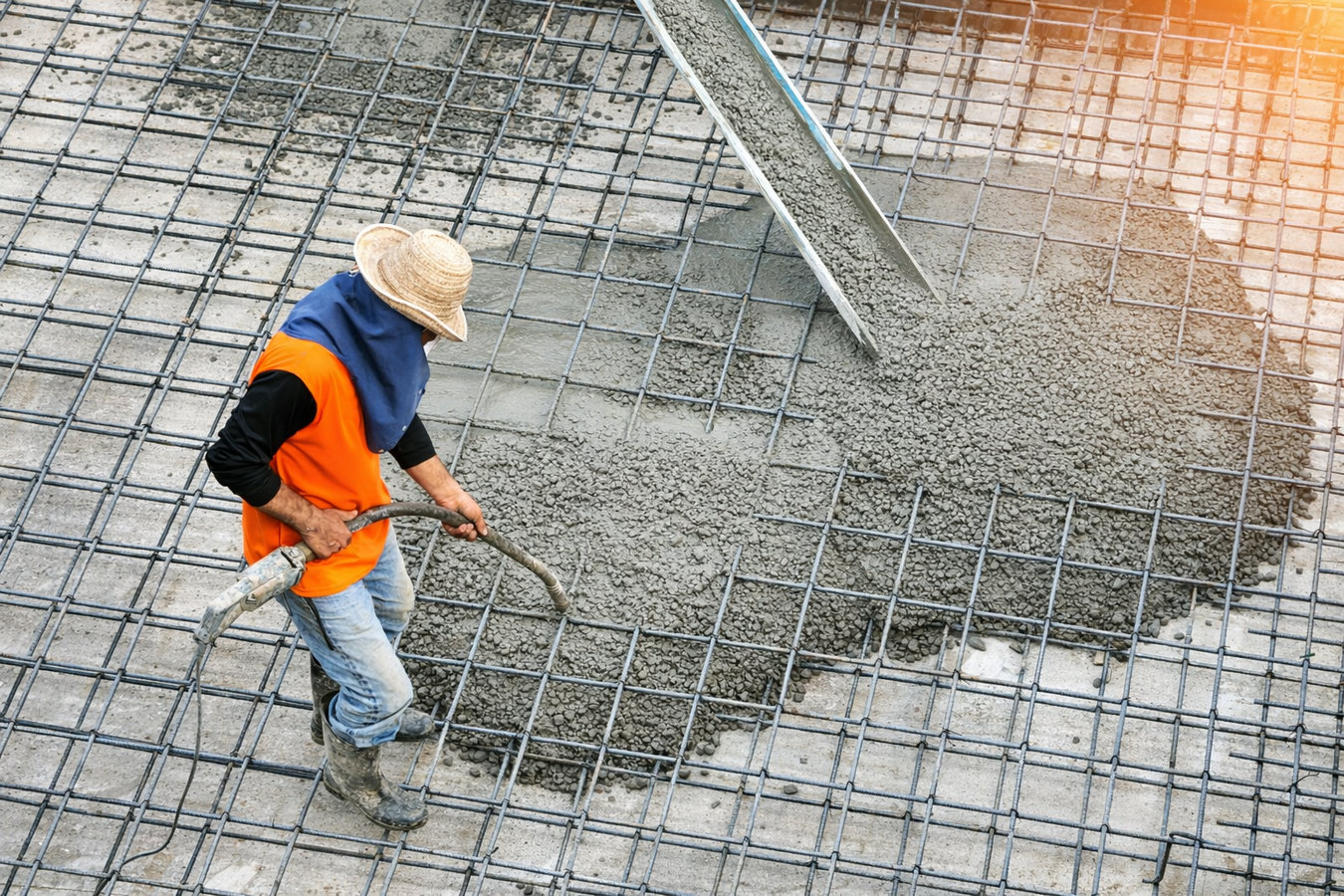
Foundation installation in Charleston involves excavating to the correct depth below the frost line, preparing a compacted gravel base, forming and reinforcing the concrete, pouring it in a single continuous session, and backfilling with proper drainage - a typical residential project runs one to three weeks from excavation to the point where framing can begin.
The foundation is the one part of your home that cannot be easily fixed once it is in the ground. In Charleston, where clay soil shifts with every wet season and many lots are anything but flat, getting this right from the start is not optional - it is the job. Whether you are building a new home on a vacant lot, replacing an old foundation on a 1940s property, or adding a major structure, foundation work in this area requires a contractor who has actually seen what Kanawha Valley conditions look like.
If your project is a simpler structure without below-grade walls, a slab foundation may be the right fit - and we build those too.
If doors or windows have started sticking, jamming, or leaving visible gaps at the corners, the structure may be shifting. In Charleston's clay-heavy soil, this kind of movement is common - the ground swells and contracts with moisture changes, and over time that pushes a foundation out of level. It is worth having someone look at the foundation before assuming it is just a door problem.
Hairline cracks in drywall are normal. But diagonal cracks running from the corners of door or window frames - especially if they are growing wider - are a more serious signal. These patterns often indicate that one part of the foundation is settling faster than another, which is a structural concern rather than a cosmetic one.
If your basement walls appear to be curving inward or leaning, there is significant lateral pressure from the soil outside. Charleston's wet winters and clay soils create exactly the conditions that cause this - saturated soil is heavy, and it pushes hard against foundation walls. This problem does not resolve on its own.
Charleston receives substantial rainfall, and if water consistently pools against your home's foundation after a storm, it is working into the soil beneath and around your foundation. Over time, that moisture weakens ground support and causes settling or cracking. Persistent pooling near the foundation base warrants a contractor assessment.
We install residential foundations of all types across Charleston and the surrounding Kanawha Valley. The right foundation type depends on your lot conditions, soil, budget, and what you are building - and we recommend based on your actual site, not what is easiest to build. Projects that require a deep structural base often start with concrete parking lot building or heavy slab work alongside the foundation pour when the site calls for it.
We also pair foundation projects with slab foundation building when a structure sits partially on grade and partially on a framed foundation - a common situation on Charleston's sloped lots where the ground drops away on one side of the build.
For homeowners breaking ground on a new residence - we handle permits, excavation, forming, reinforcement, and the pour from start to finish.
For older Charleston homes - often built in the 1940s through 1960s - where the original foundation no longer meets current standards or has settled beyond repair.
For homes where a full basement is part of the plan - poured concrete walls with proper waterproofing and drainage built in from the start.
For sites where a slab is not the right fit - we build crawl space stem walls with the drainage and moisture management that Charleston's wet climate requires.
Charleston sits in a valley surrounded by steep hillsides, and many residential lots throughout the city are sloped or irregular in ways that complicate foundation work. Excavation on a hillside lot is more involved than on a flat suburban site, and getting the depth and drainage right the first time is critical. A significant portion of Charleston homes were built before 1960, and foundation replacement on older properties often surfaces surprises - outdated construction methods, minimal original drainage, and materials that no longer meet current standards. Budget and timeline flexibility matter more on older homes.
The clay-heavy soil throughout the Kanawha Valley and the city's wet climate - around 44 inches of rainfall per year - mean drainage is not an afterthought on any foundation job here. It is a core design decision. Homeowners in St. Albans and Nitro face the same conditions along the Kanawha corridor, and we approach every project in the area with the same attention to drainage and soil movement. Learn more about foundation standards through the National Association of Home Builders.
We reply within one business day. We will ask about your project type, property location, and whether this is new construction or a replacement - then schedule a site visit.
Charleston's terrain varies too much for a reliable phone quote. We visit your property before we give you a price - so the number you get reflects your actual lot, not a generic estimate.
We handle the City of Charleston building permit on your behalf. Once approved, we excavate to the correct depth, remove unstable soil, and bring in compacted gravel for a stable, level base.
Forms go in, steel reinforcement follows, then the pour happens in a single continuous session. After curing and city inspection, we backfill with proper drainage and walk you through the completed work.
No obligation, no pressure. We visit your property and give you a clear, accurate number before any work begins.
(304) 414-0098Foundation work in Charleston requires a city building permit and inspections at specific stages. We handle every application and coordinate all required city inspections on your behalf. You will not be left with unpermitted work that creates problems during a future sale or renovation.
Many Charleston properties sit on sloped or irregular terrain that makes foundation work more involved than it looks from the street. We have worked on hillside lots throughout the city and surrounding communities - so the challenges your lot presents are ones we have navigated before, not ones we are figuring out as we go.
In Charleston's wet climate, drainage is not cosmetic - it is structural. Every foundation we install includes proper drainage planning from the first day of design, because a foundation that collects water against it will fail long before its time. We design for the conditions your home will actually face, not the conditions on a dry day in July. You can review residential construction standards through the American Concrete Institute.
Foundation projects on older Charleston homes frequently surface conditions that were not visible before excavation started. We give you a clear price after seeing your property - and we talk through what we are likely to encounter before work begins, so there are no surprises buried in the bill. Verify our contractor license status any time through the West Virginia Division of Labor.
Foundation installation is not the place to go with the cheapest quote. The decisions made below grade are the ones you live with for decades - and we take that seriously on every project we take on.
Commercial and multi-unit concrete parking surfaces in Charleston - properly sub-based and graded for long-term durability.
Learn MoreGround-level slab foundations for garages, additions, and new structures on Charleston's varied residential lots.
Learn MoreSpring and summer are the best windows for foundation work in Charleston - reach out today before the calendar fills up.