Loading...
Serving Charleston, WV and surrounding areas. (304) 414-0098
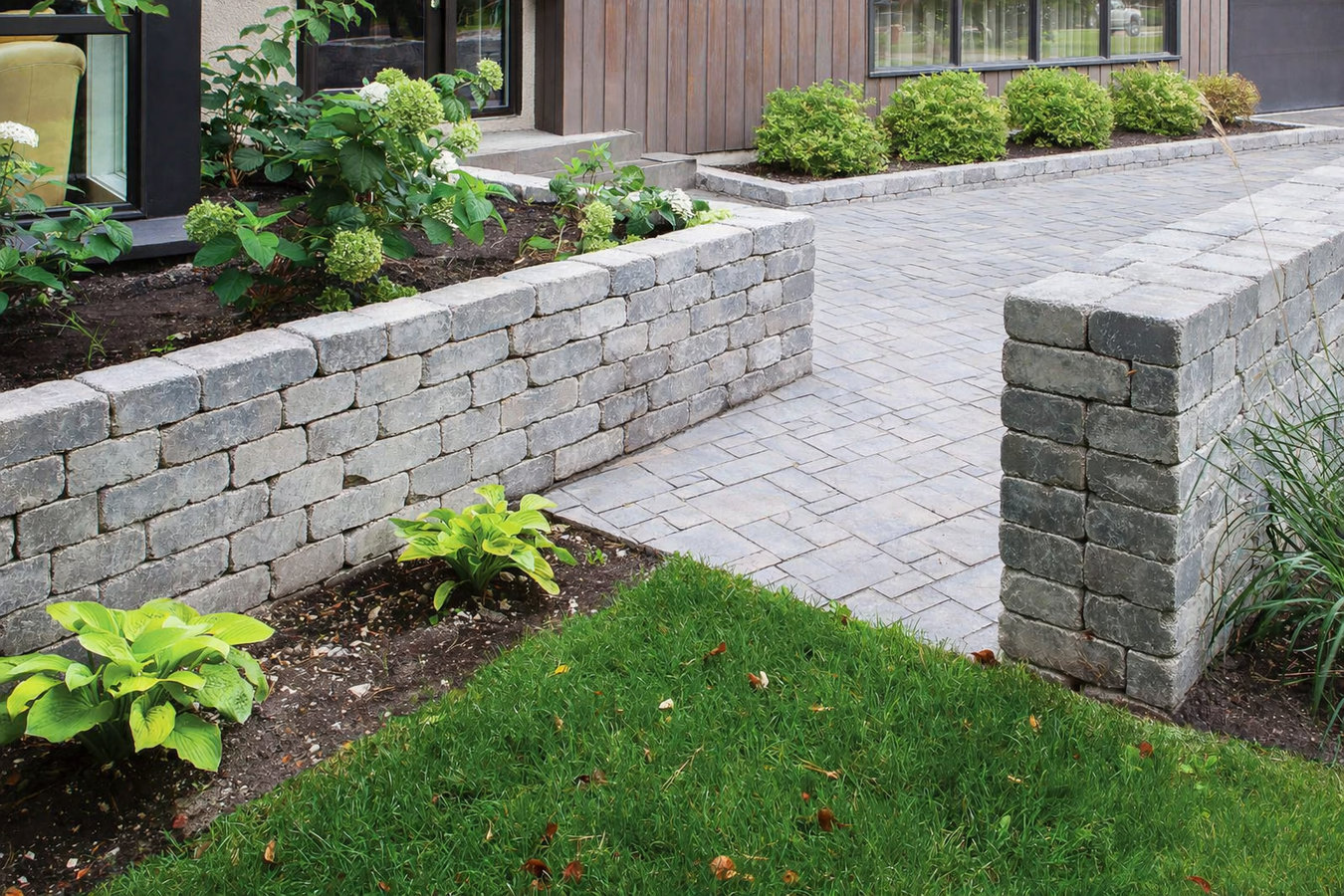
Charleston hillsides move soil fast. A properly built retaining wall stops erosion, protects your foundation, and turns an unusable slope into flat, functional space.
Concrete retaining walls in Charleston hold back soil on sloped lots, preventing erosion and protecting foundations - most residential jobs take one to three days of active work from excavation to backfill.
Charleston is built on hills, and that terrain puts constant pressure on every yard with a slope. When soil starts washing away after rain or an old wall begins to lean, the problem only grows with each wet season. A new retaining wall stops that cycle and can turn a hazardous drop into usable outdoor space.
If you are also planning any stairs to connect levels, our concrete steps construction service pairs naturally with a retaining wall project.
Bare patches, ruts, or small channels forming on a hillside after a storm are erosion happening in real time. Charleston's roughly 44 inches of annual rainfall accelerates this process, and what looks cosmetic today can undermine a driveway or neighboring property within a few seasons.
A retaining wall that is no longer standing straight is signaling that water pressure or soil movement has overcome its original design. Walls built in Charleston's older neighborhoods during the 1950s and 1960s are now 60 to 70 years old, and even a few inches of lean means the wall needs to be assessed before it fails completely.
When a slope has no wall to redirect water, that water finds the lowest point - often your foundation. Standing water near your home's base after a storm, or new basement moisture, can mean a retaining wall uphill from the house is part of the solution.
Many Charleston homes on hillside lots have yards that are too steep to mow, let alone use for outdoor living. A retaining wall creates a flat, usable terrace - turning a hazardous drop into a patio, garden, or play area. This is one of the most common reasons homeowners in South Hills and similar neighborhoods invest in a wall.
We build poured concrete and concrete block retaining walls sized for residential lots across Charleston and Kanawha County. Every wall includes proper drainage behind it - gravel backfill and a perforated pipe to move water away before pressure builds. That drainage layer is invisible once the job is done, but it is what determines how long the wall lasts. We also handle the permit process for walls that require city approval, so you do not have to chase down paperwork on your own.
Our work often connects to other projects on the same property. If your hillside lot needs a new concrete floor installation for a garage or basement at the base of the slope, we can plan both phases together. We also build concrete steps that connect terraced levels created by a retaining wall.
Best for homeowners who need maximum strength on a steeply sloped or heavily loaded lot.
Suits homeowners who want a clean, uniform appearance with solid structural performance.
Essential for any wall on a lot that receives heavy rainfall or has clay-heavy soil.
Ideal for homes with aging 1950s-1970s walls that are leaning, cracking, or past their lifespan.
Charleston sits in the Kanawha Valley surrounded by steep hillsides, and many homes were built on cut-and-fill lots where the original soil was already disturbed. The city also averages around 44 inches of rain per year, meaning every major storm tests whatever is holding your slope in place. Add West Virginia's freeze-thaw winters - where the ground expands and contracts repeatedly from November through March - and a wall built without the right footing depth or drainage will crack and shift within a few years. A contractor who works regularly in this area knows to set footings below the frost line and plan drainage for local rainfall patterns, not just general best practices.
We serve homeowners across the Charleston metro, including South Charleston and Dunbar, where hillside lots and older walls are common. If you are not sure whether your slope needs a new wall or a repair to an existing one, a site visit is the fastest way to get a straight answer. We can be there within one business day of your call.
We respond within one business day and schedule a time to see your property in person. A retaining wall quote done over the phone without a site visit is rarely accurate, so we look at the slope, drainage, and access before giving you a written estimate.
For walls above four feet, we apply for the building permit through the City of Charleston before any work begins. We handle the paperwork and include the permit fee in your quote - it should not be something you have to chase down.
The crew digs the area to the required depth - deeper than most homeowners expect, because the footing must sit below the frost line to stay stable through Charleston winters. This is the noisiest part of the job and usually takes one to two days.
Concrete is poured or blocks are laid, then drainage material is packed behind the wall before backfilling. The crew cleans up the site and walks you through the curing timeline. Concrete reaches most of its working strength within about a week.
Free on-site estimate. No pressure, no obligation. We respond within one business day.
(304) 414-0098Charleston winters push the ground through repeated freeze-thaw cycles that destroy walls built too shallow. Every footing we dig goes below the local frost depth so your wall stays plumb and stable year after year, not just the first spring after installation.
Drainage behind a retaining wall is invisible once the job is done, which is exactly why it gets skipped. We install gravel backfill and a perforated drain pipe on every wall we build - ask your other quotes specifically what they plan to do for drainage and compare the answers.
The City of Charleston requires permits for walls above a certain height, and a city inspector reviews the finished work. We pull the permit, schedule the inspection, and give you a paper trail showing the wall was built to code - which matters when you sell your home.
You can look up any contractor's license through the West Virginia Division of Labor's online database. We are fully licensed and welcome you to verify our standing before signing anything. A licensed contractor is accountable in ways an unlicensed one simply is not.
Every one of these details compounds over time. A wall built with proper footings, drainage, and a city inspection behind it will still be standing straight in 20 years - a wall that skipped those steps may not make it through the first hard winter. The American Concrete Institute sets the professional standards that guide how concrete structures like retaining walls are built.
Pour a new concrete floor for the garage or basement space your retaining wall creates.
Learn MoreAdd durable concrete steps to connect terraced levels on your newly walled hillside lot.
Learn MoreSpring and summer project slots fill fast in Charleston - call today to lock in your date and get a free on-site estimate.