Loading...
Serving Charleston, WV and surrounding areas. (304) 414-0098
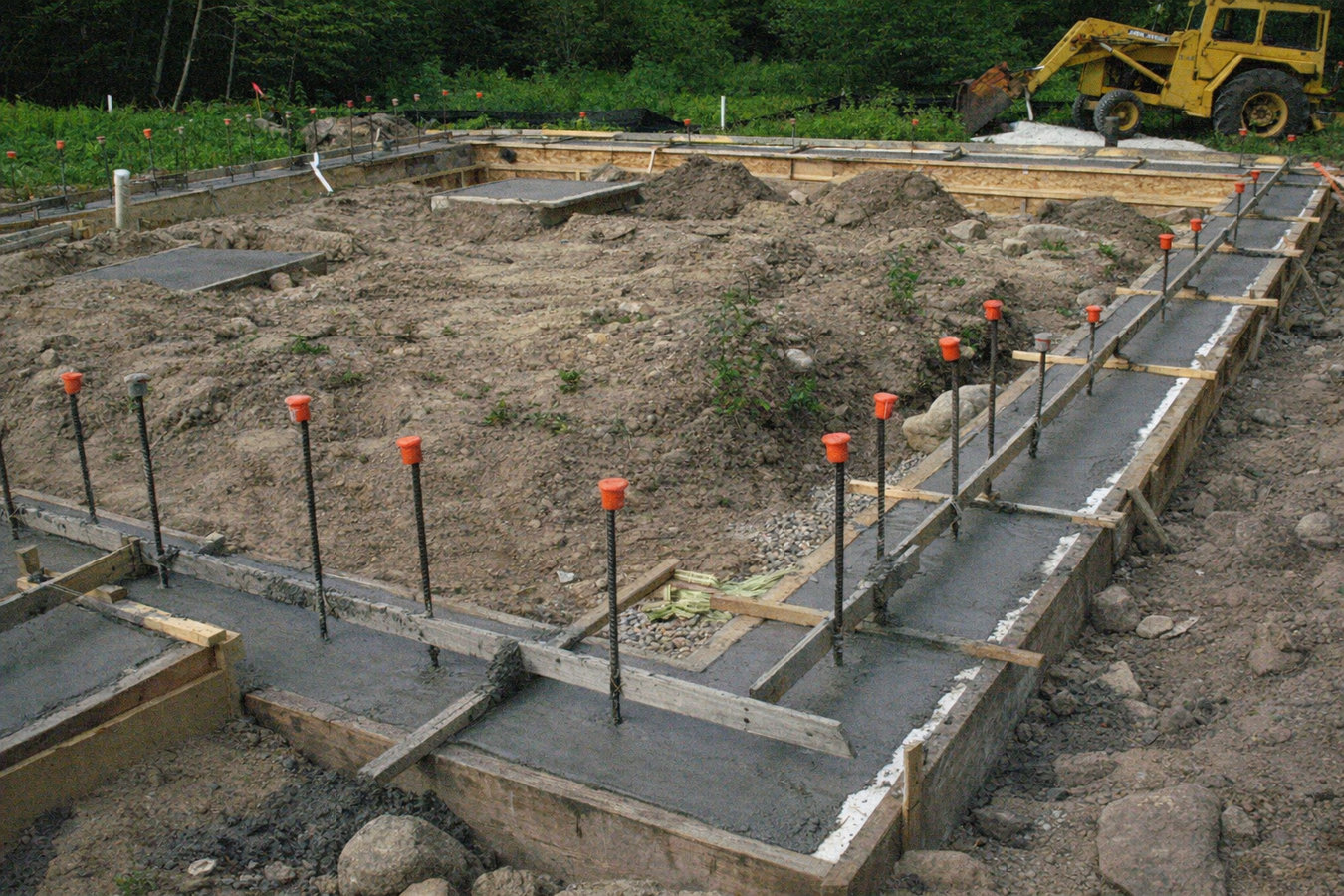
A deck, addition, or porch is only as solid as what is under it. We install concrete footings in Charleston dug to the right depth, permitted through the city, and sized for local soil conditions.
Concrete footings in Charleston, WV are poured below the frost line - generally 18 to 24 inches down in Kanawha County - to spread the weight of a structure across a stable layer of ground. Most residential footing jobs take one to two days to dig and pour, followed by three to seven days of curing before any framing or building can begin on top.
A footing is the part of a structure you will never see once the job is done, but it is the part that determines whether your deck, porch, or addition stays level over time or slowly shifts and tilts. In Charleston's hilly terrain and clay-heavy soils, footings that are too shallow or too narrow for the ground conditions will fail - and repairing failed footings after the fact means tearing out whatever was built on top to access the problem. Many homeowners adding a deck or porch also ask about foundation installation if they are building something larger at the same time.
We handle the site assessment, the permit application, the city inspection, and the pour. You get a written estimate before we start and a finished footing that meets the depth and size requirements the inspector will check.
A visible gap between your porch and the house wall, or a deck surface that is no longer level, usually means the footings underneath have shifted. In Charleston's hilly neighborhoods, this is especially common on older decks where the original footings were not dug deep enough for the slope. A tilting deck is not a cosmetic problem - it can become a safety hazard quickly.
Hairline cracks in concrete are common and often harmless, but wide cracks - especially ones that are wider at the top than the bottom, or that run diagonally from a corner - suggest the footing below is moving. Charleston's clay-heavy soils expand and contract with moisture changes, which can stress footings that were not designed for that movement.
When a footing shifts, the framing above it shifts too - and that movement often shows up first as doors or windows that suddenly do not open and close smoothly. If this is happening in one area of your home with no obvious water damage elsewhere, the footing under that section of the house may be the source of the problem.
Any time you add a structure to your home in Charleston, the city will require footings that meet current depth and size standards and an inspection before the concrete is poured. If you are at the planning stage for any new addition, footing work is part of that project from the start - not an afterthought once framing begins.
We install concrete footings for residential decks, covered porches, home additions, retaining walls, and outbuildings across Charleston and Kanawha County. For each project, we assess the slope and soil conditions before recommending footing dimensions - the right size for your soil is not the same as the right size for flat, stable ground somewhere else. We dig, set forms, place rebar where needed, and coordinate the city inspection before the pour. Homeowners who are also replacing an existing structure often combine footing work with foundation raising if the existing base has settled and needs to be corrected before new footings go in.
Older homes in Charleston's established neighborhoods - many built before 1970 - sometimes have footings that do not meet current depth or width requirements. When a homeowner is adding or replacing a deck or porch on one of these homes, we check whether the existing footings are sound before recommending new work on top of them. We tell you honestly what we find, even if it changes the scope of the project. Starting with the right footing costs less in the long run than fixing a tilting deck two years later.
Suited for homeowners building a new deck or porch and needing code-compliant, inspected footings from the start.
Suited for home additions, detached garages, workshops, or other structures that need a permitted concrete base.
Suited for Charleston's hillside properties where footings at different points of the structure need to be dug to varying depths to keep the top of each footing level.
Suited for homes built before 1970 where the existing footings need evaluation before new construction begins on top of them.
Charleston is built across a hilly landscape, and most residential neighborhoods - from South Hills to Kanawha City to Edgewood - sit on sloped lots with significant grade changes. Sloped lots make footing work more complex because crews must dig at varying depths to keep the top of each footing at the same level, and equipment access is often limited. This is one reason footing quotes in Charleston can vary widely from one property to the next - your specific lot matters a great deal. Homeowners in South Charleston and Dunbar deal with the same sloped terrain and should expect contractors to walk the site before quoting, not estimate from a square footage number over the phone.
The clay-heavy soils common across Kanawha County add another layer of complexity. Clay swells when wet and shrinks when dry - movement that is separate from frost heave but causes similar problems over time. Footings that are not deep enough or wide enough for the soil type will shift, and whatever is built on top of them will shift too. A good contractor will assess your soil conditions before recommending footing dimensions, and in some cases may recommend a soil evaluation before proceeding. The American Concrete Institute publishes standards for residential footing design that govern how footings should be sized for different soil conditions and load types - standards we follow on every job. Charleston's wet winters and spring rainy season also mean we schedule pours during windows when the ground is stable and temperatures are right for proper curing.
We respond within one business day and schedule an on-site visit. We walk the property, assess the slope, soil, and access, and discuss the scope with you. You get a written estimate that reflects what your specific site actually requires - not a generic per-footing rate.
For permitted work - which includes most structural footing jobs in Charleston - we submit the application to the City's Building Inspection Department. Permit processing typically takes a few days to a couple of weeks. Once approved, we schedule your dig date and confirm the work area needs to be clear.
The crew digs the trenches or holes to the required depth, sets any forms, and places rebar. Before concrete is poured, the city inspector must visit and approve what they see - confirming depth and dimensions are correct. We coordinate this visit, so you do not need to be available for the inspector yourself.
Once the inspection is approved, we pour and level the concrete. The footings need three to seven days before light framing can begin on top - we give you a clear timeline so your framing crew is not waiting. We also confirm what happens to displaced soil before we leave the site, so there are no surprises.
Free on-site estimates. We handle the permit and the city inspection. Written pricing before we dig.
(304) 414-0098The City of Charleston requires a permit and inspection for most structural footing projects, and skipping that inspection creates real problems when you sell your home. We submit the permit application and coordinate the city inspector's visit before any concrete is poured. You do not have to navigate that process yourself.
Clay-heavy soils across much of Kanawha County swell when wet and shrink when dry - movement that stresses footings the same way frost heave does. We assess your specific soil conditions and size footings accordingly. Footings matched to your soil hold; footings designed for generic conditions may not.
Many Charleston homes were built before 1970 with footings that do not meet today's standards. When you are adding a deck or porch to one of these homes, we check what is actually there and tell you honestly whether the existing footings are usable. That honest assessment protects your investment before you frame a single board.
Sloped lots require stepped footings dug to different depths at different points of the structure. We work on Charleston's hillside neighborhoods regularly - South Hills, Kanawha City, Edgewood - and know the access and depth challenges those lots present. Our license is verifiable through the West Virginia Division of Labor.
Footing work is unglamorous - you will never see it once the job is done. But it is the reason your deck or porch stays solid for 20 years instead of tilting after five. We take it seriously because the consequences of getting it wrong show up long after we have left the site.
Foundation raising and leveling for homes and structures that have settled unevenly over time on Charleston's hillside terrain.
Learn MoreFull foundation installation for new construction and additions, including permitting and site preparation across Kanawha County.
Learn MoreSpring is the busiest season for concrete work in the Kanawha Valley - reach out now to lock in your date before schedules fill up.