Loading...
Serving Charleston, WV and surrounding areas. (304) 414-0098
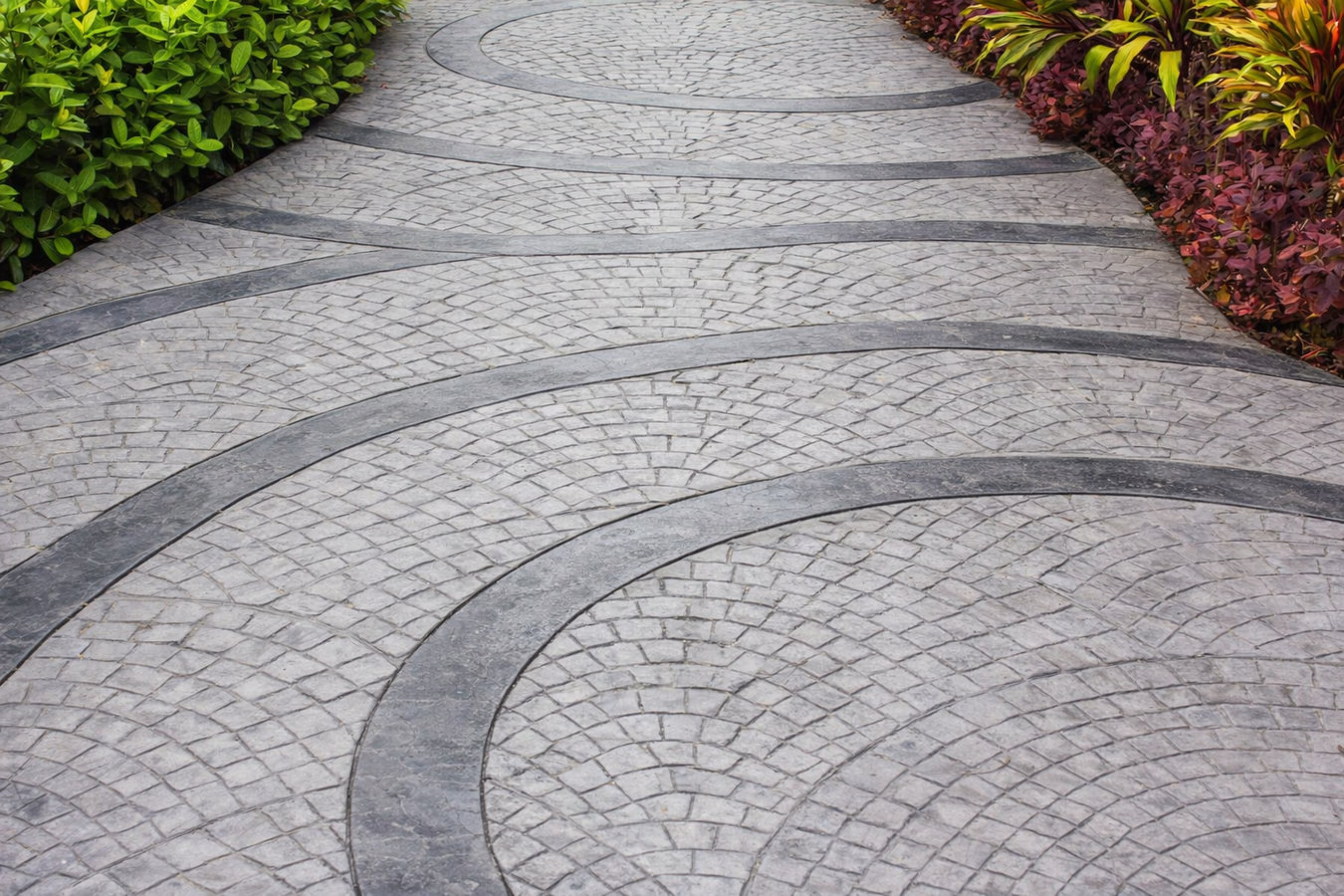
Plain gray concrete does not have to be the end of the story. We install stamped, stained, and overlay finishes that hold up through Charleston winters and look good doing it.
Decorative concrete in Charleston, WV uses color, texture, or pattern to transform a plain concrete surface into something that looks like stone, brick, tile, or a custom finish. Most standard projects take one to three days of active work, followed by curing time before the surface handles regular traffic or vehicle use.
This is one of the more versatile services we offer. Whether you want to upgrade a tired driveway in Kanawha City, give a back patio a new look before summer, or make a front walkway stand out before listing a home - decorative concrete covers a lot of ground without requiring a full replacement in many cases. When paired with stamped concrete techniques, the results can be striking.
The key factor that separates work that lasts from work that does not is what happens before and after the pour: proper subbase preparation so the surface does not crack or shift, and a high-quality sealer applied on the right schedule to protect the finish through the seasons.
Oil stains, rust marks, or a surface that just looks gray and tired can often be addressed with a stained or overlay finish - no full replacement needed. This is one of the most common reasons Charleston homeowners contact a decorative concrete contractor.
Charleston winters put concrete through repeated freeze-thaw stress. If you are noticing hairline cracks that appeared or widened after last winter, that is a signal the surface is deteriorating. Left alone, surface cracks let water in and the problem gets worse every winter.
If your concrete surface becomes dangerously slick after rain, decorative finishes can include texture patterns that add grip underfoot. This matters especially on sloped surfaces - which are common in Charleston's hillside neighborhoods - where a slick surface poses a real fall risk.
A fresh decorative driveway or front walkway is one of the most visible upgrades before listing a home. In Charleston's established neighborhoods, where many homes have similar layouts, a well-finished exterior surface stands out and signals that the property has been cared for.
We offer the main decorative concrete methods: stamped concrete, stained concrete, and overlay systems. Stamped concrete is pressed with a pattern while the surface is still wet - great for driveways and patios where you want the look of stone or brick at a lower cost. Stained concrete soaks color into the surface and works well for both interior floors and outdoor slabs that already have good bones. Overlays are applied over existing concrete that is structurally sound but cosmetically tired.
For homeowners looking at larger exterior projects, we often discuss concrete retaining walls at the same time - especially on sloped lots where drainage and grading are already part of the conversation. Every decorative job finishes with a sealer chosen for the specific use and Charleston's climate, and we walk you through the resealing schedule before we leave.
Best for homeowners who want the look of natural stone, brick, or tile on a driveway, patio, or pool deck without the material and installation cost.
Suits driveways, walkways, patios, and interior floors where color is the goal and the existing slab is structurally sound.
A good fit for homeowners with older concrete that is cosmetically worn but does not need a full tearout - the overlay gives it a fresh surface and new look.
Works well for driveways and walkways where texture and grip matter as much as appearance - a practical and attractive option for Charleston's wet seasons.
The freeze-thaw cycles that Charleston goes through every winter are the single biggest threat to decorative concrete. A sealer is doing critical protective work here - a contractor who skimps on sealer quality or applies it too soon is setting you up for color loss and cracking within a few years. The climate here is harder on decorative surfaces than in warmer regions, so the finish materials and application method both need to account for it.
Charleston's hilly terrain is the second challenge. Homes in Nitro and Cross Lanes often have sloped driveways and patios where drainage is critical. Decorative concrete on a hillside needs to be graded carefully so water sheds away from the house rather than pooling on the surface. Poor drainage accelerates cracking and causes the sealer to fail faster - so site prep and grading are not optional steps.
Many of Charleston's older neighborhoods - including South Hills, the East End, and Kanawha City - have homes built between the 1940s and 1970s with aging concrete that was never designed for overlay work. A good contractor assesses whether the existing slab is sound enough to work with before quoting anything. Skipping that step is how you end up with a beautiful new finish that starts cracking within a year.
We respond within one business day. We will schedule an in-person visit to measure the space and assess the existing surface. That visit typically takes 30 to 60 minutes and costs you nothing.
We show you samples and photos of completed local projects so you can see how different options look in real conditions. You get a written estimate with the pattern, color, and finish spelled out clearly - no vague line items.
The crew prepares the area, grades for drainage, and pours or applies the decorative finish. For stamped work, the pattern is pressed in while the surface is still workable. The area is blocked off when they leave - keep children and pets away from the fresh surface.
After the surface has cured, a sealer is applied. We walk through the finished project with you and give you written care instructions - how often to reseal, what products to avoid, and what to watch for over the first winter.
Free on-site estimate. We assess the existing surface, show you samples, and give you a written quote with no obligation.
(304) 414-0098Not all sealers are built for freeze-thaw climates. We use products and application schedules designed for the Kanawha Valley's winters - because a decorative surface that looks great in October and flakes by March is a failure, not a finish.
We account for drainage on every job - especially on the sloped lots common throughout Charleston's neighborhoods. Water that pools on a decorative surface accelerates wear and sealer failure. Getting the grade right protects both the surface and your foundation.
Spring rain and late cold snaps can ruin a concrete pour. We schedule decorative projects during reliable weather windows - and we do not rush a job to meet a deadline that compromises the cure. The American Society of Concrete Contractors sets clear guidance on cold and wet-weather concrete practices, and we follow it.
Navigating Charleston's building and zoning requirements is confusing for homeowners. We check what is required for your specific project and handle any permit process as part of the job. You get a finished surface that is fully above board - no flags after the work is done.
Good decorative concrete work is not just about the day of the pour - it is about the decisions made at every step before and after. When those decisions are right for local conditions, the surface holds up and keeps looking the way it should.
Structural walls that hold back soil on sloped lots, designed for Charleston's hilly terrain and wet conditions.
Learn MorePatterns pressed into fresh concrete to replicate stone, brick, or tile at a fraction of the material cost.
Learn MoreSpring booking slots in the Kanawha Valley fill fast - reach out now to lock in your date before the good weather window closes.